From a Campfire to the Rock: 25 Years of Second-Mile Service
By Matt Cook
Aberdeen turns 25 this year. That’s twenty-five years of captions, deliveries, translations, late nights, and answered phone calls. It’s a story I never get tired of telling, so here it is, from the beginning.
It all started around a campfire with my two sisters, Amy and Becky. Becky’s degree was in broadcasting, and she had worked at a sound studio in Los Angeles for a couple of years before most recently running a missionary school in Bulgaria. Amy had started her career as a court reporter and had just moved into live closed captioning as a stenographer at TBN.
Around that fire, Amy told us the captioning business was growing fast in response to new laws enforced by the Federal Communications Commission (FCC). Amy’s insider knowledge from her work as a live captioner at TBN is a big part of why Aberdeen exists at all.
I brought my engineering and business skills to the table, Becky brought her background in broadcast media, and we put our heads together. The first tech bubble was beginning to burst, and we all decided that a business in an industry that was growing because of new laws was probably a smart move.
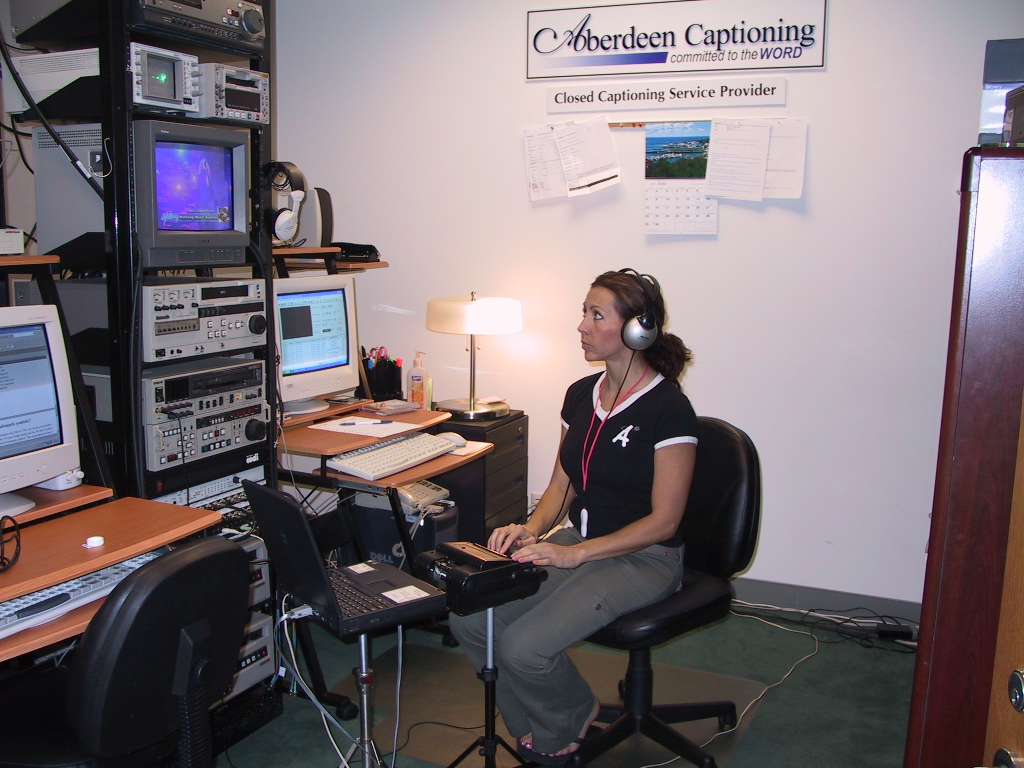
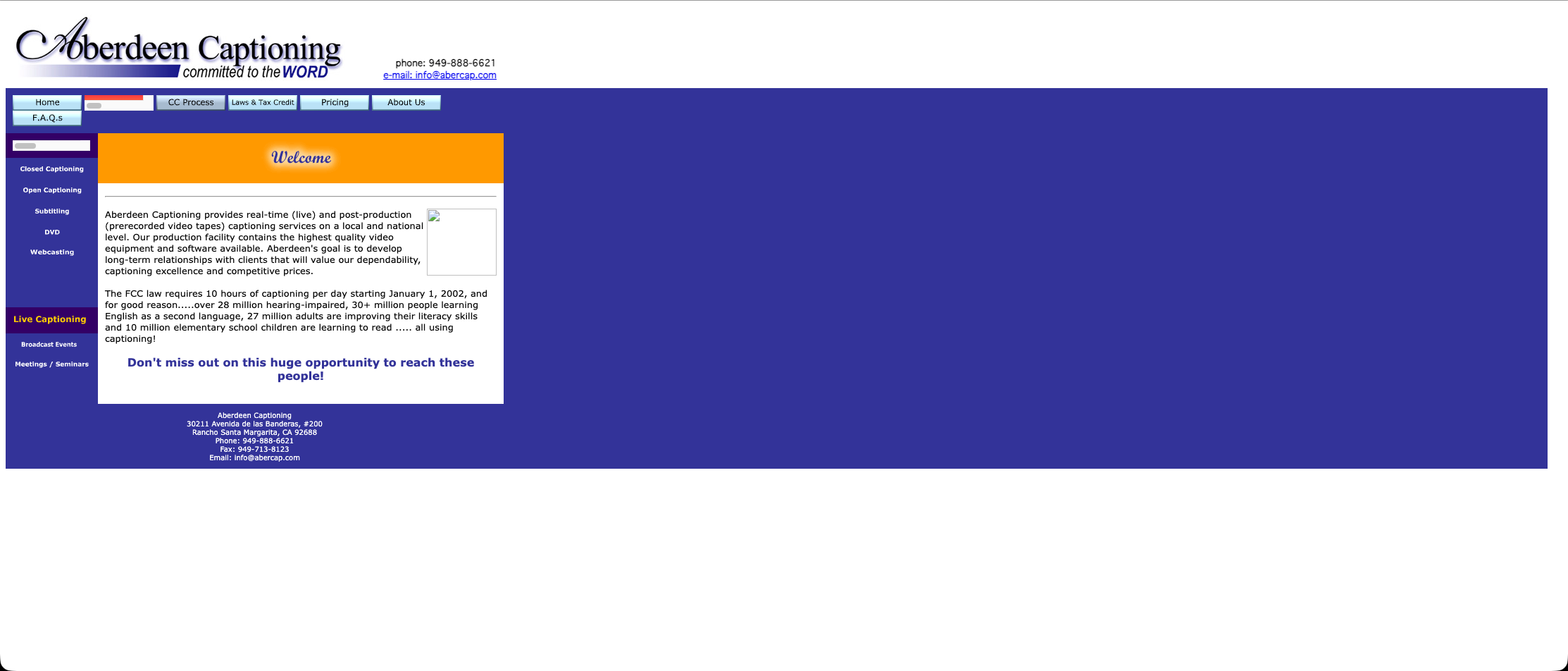
So, in 2001, Aberdeen Captioning was born in a 50-square-foot office. Becky and I sat back-to-back, so close that our chairs touched and it took careful coordination just to move around. We kept a half-rack of Beta decks and caption encoders in Becky and Amy’s apartment so Amy could work from home after her day job. I built our very first website myself in Dreamweaver, on vacation at the lake in Michigan.
After six months of outbound calls and a successful tradeshow, we landed a few clients, and that sparked the forward momentum that has carried us ever since. In our first year, we did $74,000 in sales with seven clients and no employees. It was just the three of us.
How did we come up with the Aberdeen name? It’s really a Divine story. We made a list that included Cook Captioning, Tri-Cook Captioning, Biblical names, and so on. Becky and Amy both said, “We can’t use ‘Cook’ because we are going to get married someday!” (They were right. Today they’re Becky Isaacs and Amy McKay.) The other names just didn’t feel right, and we knew customers would find us in online directories that are usually in alphabetical order, so we wanted a name that would appear at the top of the list.
A couple weeks go by, and Amy calls me at 10:30 on a Sunday night and says, “I got it! Aberdeen… Aberdeen Captioning!” I repeated it to myself, and it had a super nice feel, and it started with “A” then “b.” Amy said, “I was in Aberdeen, Texas, when I decided to make some serious changes in my life.”
I’m thinking that now the name has a story and a great meaning. I’m sold. I called Becky and told her, and she was sold too. Done! A couple of months go by, and Amy realizes she was in Abilene, Texas, not Aberdeen.
But here’s the Divine part. Our grandfather was from Scotland, and the main port city in Scotland is Aberdeen, the “Granite City.” Translate that to: a company built on the Rock. It was meant to be all along!
In 2002, we went to the National Religious Broadcasters (NRB) convention in Nashville, the largest gathering of Christian communication professionals in the industry, and came home with captioning work for Tony Evans and Hillsong. NRB has been one of the most important events on our calendar every year since.
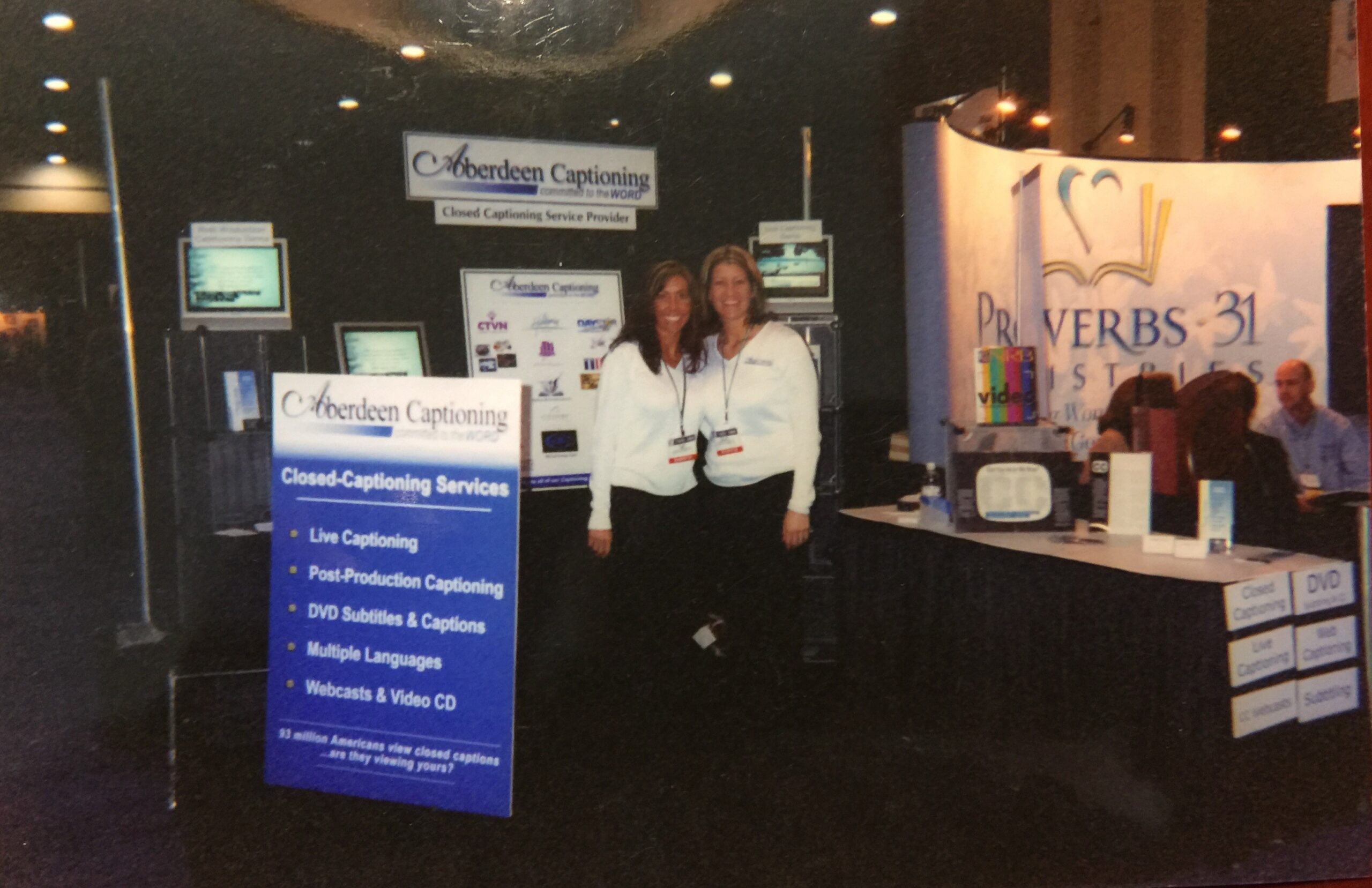
By 2004, growth had pushed us into a bigger office down the street, and by the end of 2005 we had brought on our first two caption editors. In 2006, we invested $27,000 in our first real rebrand: a new logo, a professional website, and a company intro video. That same year, a new FCC captioning requirement drove a huge growth year for our low-cost live-to-tape service. We finished 2006 with more than $1 million in annual sales and 145 clients.
By the late 2000s, I found myself asking a harder question: what happens to a business built entirely around a legal requirement to caption content? Captioning would always matter, but being only the required service felt like standing on one leg.
Part of the answer came in 2008, when we officially launched AberLingo, our language services department for translation and subtitling. We also looked at several other directions, including building our own physical encoding device and developing video analysis tools, before landing on something that seems obvious in hindsight: broadcasters needed a better way to get their files where they needed to go. That became AberFast, our digital file delivery service.
It wasn’t an overnight success. In 2011, we launched our Dallas data center and the real start of AberFast’s digital file delivery service, built on Telestream’s Vantage transcoding software. By 2013 and 2014, AberFast was generating real buzz in the industry and bringing in major ministries like Leading the Way, Turning Point, and Hour of Power.
Today, AberFast represents nearly half of our revenue and has become one of our clearest technical advantages. We’ve now delivered content to nearly 1,000 stations around the world, working with clients and vendors in dozens of countries. That reach touches network programming from ABC, NBC, CBS, and Fox, and runs through major station groups like Sinclair, Hearst, Comcast, Nexstar, Gray, and Tegna. Long-standing partners like KGEB (ORU’s station), KTBN, and Daystar (KDTN) have been part of that story for years. Not bad for a company that started in a 50-square-foot office!
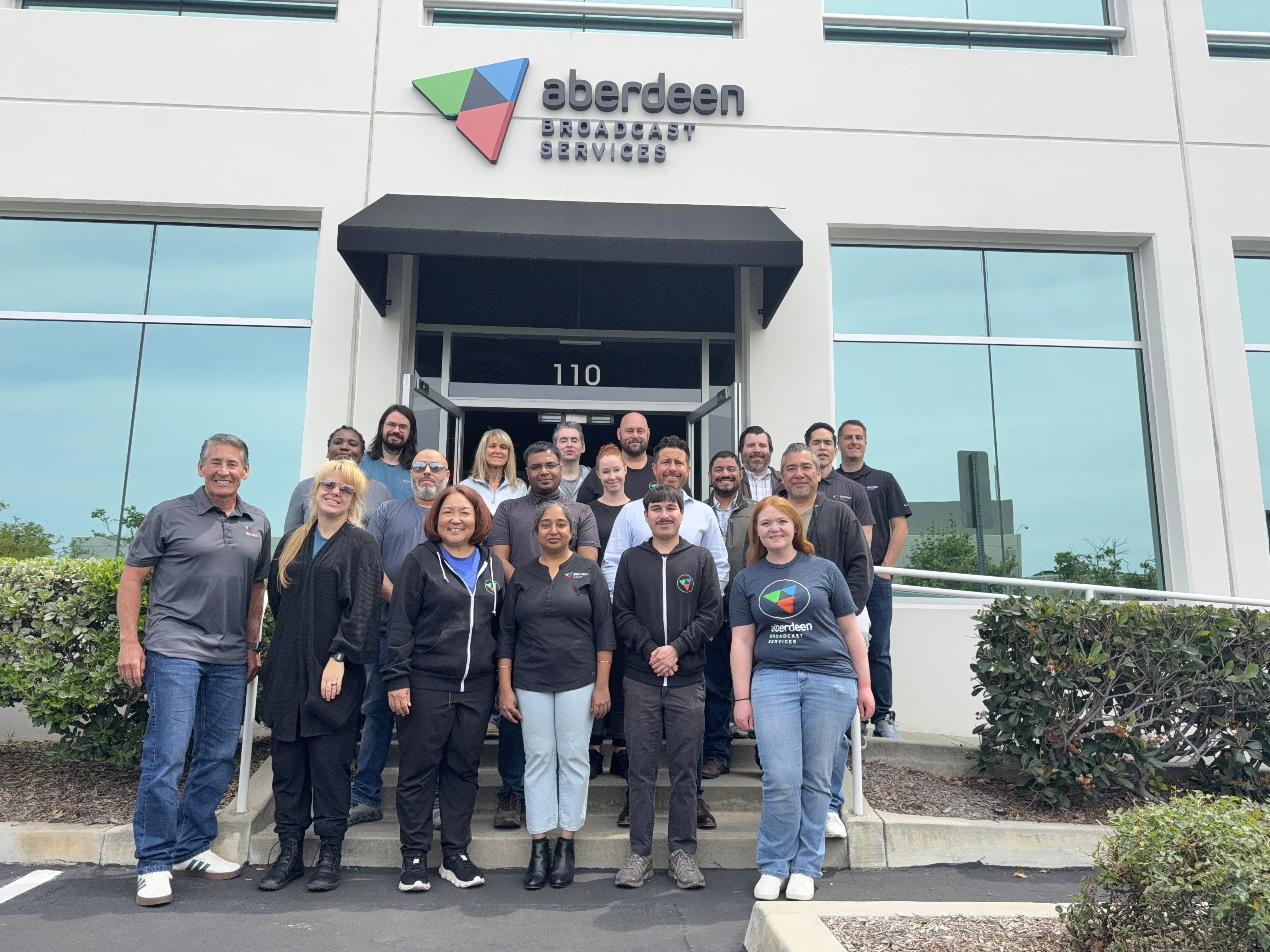
2012 marked another turning point. Aberdeen Captioning officially became Aberdeen Broadcast Services, bringing our three departments, AberCap, AberFast, and AberLingo, together under one name. We rolled out a new logo (the paper airplane) and a new website to go with it.


The years that followed were as much about the systems running underneath the company as the services on top of it. We moved through Visual ERP and spent two hard years on another platform before deciding to change direction rather than force a system that wasn’t right for us. We eventually landed on Salesforce, and that is where Deepthi Yathiender comes into the story. She joined us in November 2016 as a software engineer, and she led the Salesforce transition, development, and architecture, building it out into a fully cloud-based environment that runs everything from sales to operations to accounting. Today she serves as our Executive Vice President. It’s been our foundation for the better part of a decade.
Our ministry client list grew right alongside those systems, one relationship at a time: TBN, In Touch Ministries, Joel Osteen, Tony Evans, Turning Point Ministries, Harvest Ministries, Creflo Dollar, and, through a referral from Hillsong, Joseph Prince Ministries. That last one is one of my favorite stories to tell. When we started working together, nobody in the industry was betting on Joseph Prince becoming one of the most prominent television ministries in the world. Today we deliver his programs to broadcasters across the U.S. and internationally.
Not every chapter went the way we planned. In 2017, the aging drives in our Dallas data center started failing, and for a stretch they threatened to take down our whole operation. Around the office, we still call it “the Dallas Meltdown.” A technician from our server storage provider came on-site, added memory, and got things stable again. But I’d rather call it what it was: a failure. Too much of our business depended on aging hardware in one building, and we couldn’t keep asking our clients to trust their programs to that.
So, we made the move to Amazon Web Services, starting in 2018. It was a big decision, and Deepthi was key to making it happen. She moved our software over to AWS and set up the virtual private cloud architecture and the security around where we put our virtual factory.

Rebuilding the AberFast transcoding factory itself was the other half of the job. Our engineering team started that work, and when Dinesh Raghavan joined us in March 2020 as a software engineer, he took it over and drove the complete overhaul, rebuilding the factory around Vantage 8 and simplifying our workflows through Salesforce integration. The result: more than 3,500 workflows reduced to fewer than 400. Dinesh took on so much of AberFast along the way that he now runs it as our AberFast Manager and Software Engineer.
That change reshaped how our whole company works. We went from juggling six, eight, or more programs a day to running the business almost entirely through a browser, with Microsoft Teams, Outlook, and Salesforce up front and AWS doing the heavy lifting in the background. There are no servers in our office anymore. Our team can work remotely, and the “factory” itself has resilience built in, so if anything ever happened to one location, the whole operation could shift somewhere else. We went from being tied to physical hardware in one building to being able to run, and grow, from almost anywhere.
Around the same time, we began piloting automatic speech recognition. That early pilot has grown into AberScript, our own AI-assisted captioning editor, and it has freed us from depending on off-the-shelf captioning software.
Technology wasn’t the only system that changed. In 2019, our leadership team began training on EOS, the Entrepreneurial Operating System, with an outside EOS implementer. It changed how we set priorities, run meetings, and hold ourselves accountable. By 2021, EOS was fully rolled out across the company, and I count it among the most significant operational changes we’ve ever made. It’s still paying off today.

I can’t tell Aberdeen’s story without Becky. In the earliest days, she essentially ran the whole company. Over the years she ran our live captioning, handled our accounting and human resources, and took on more jobs than I could list here. Becky was the pillar of our operations and the glue of our company and our team. She was always on call, and she was one of the happiest people you could ever hope to work with.

Becky’s husband, Nathan Isaacs, came on to run our post-production operations, and he was a crucial piece of both our closed captioning and our digital file delivery departments.
In 2023, Becky and Nathan decided it was time to begin a new chapter, and I became the sole owner of Aberdeen. So much of what we’ve built stands on the foundation they helped lay, and I’m proud to carry that forward.
Over 25 years, a lot of good people have built this company alongside us: the engineers who have kept rebuilding our technology as the industry changed, captioners and linguists who care about getting every word right, and account managers who think nothing of answering an urgent email late on a Sunday night. And one of the best compliments a workplace can get is when people who have moved on ask to come back. More than a few of our team members have done exactly that, and I don’t take it lightly.
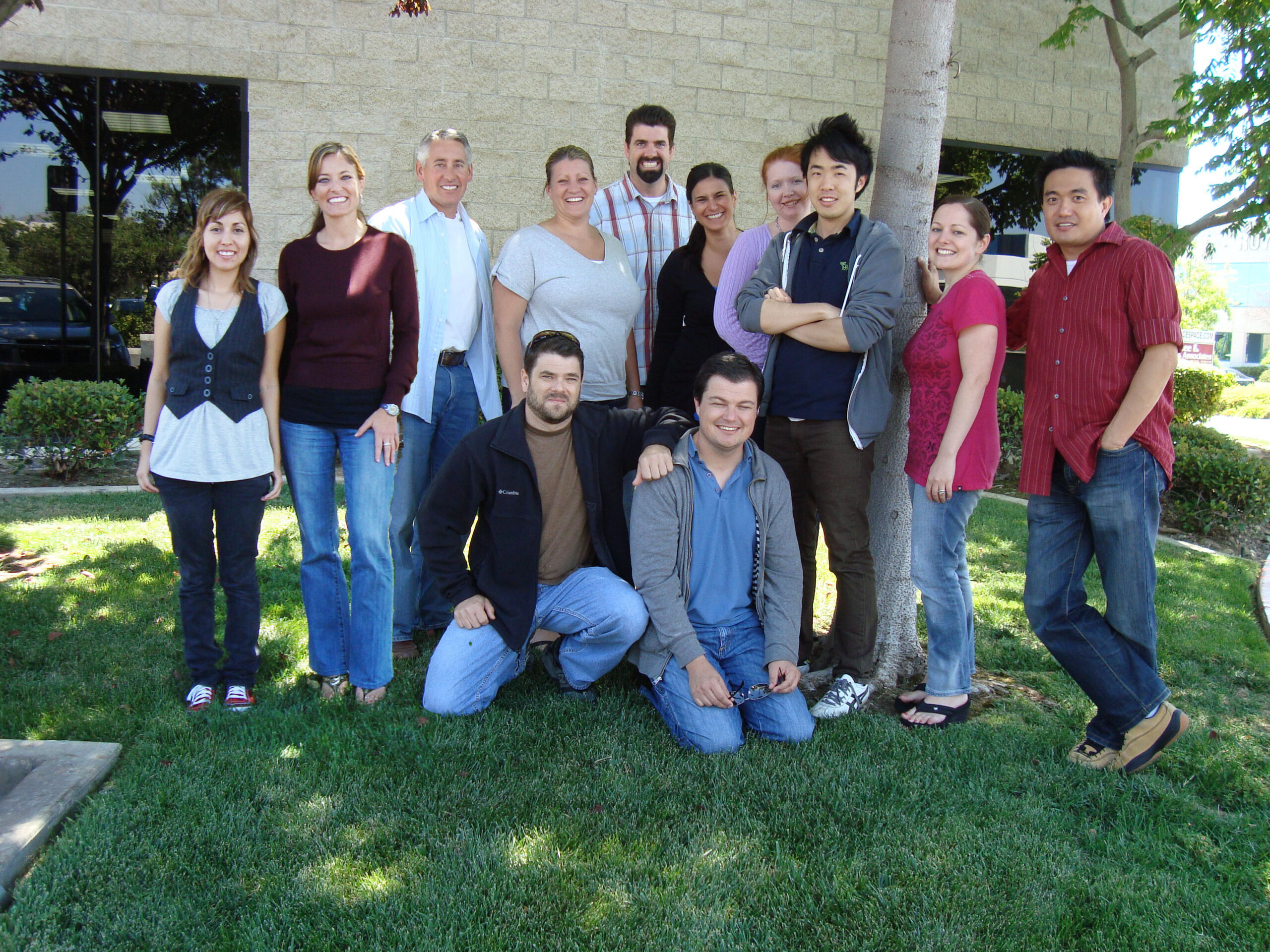
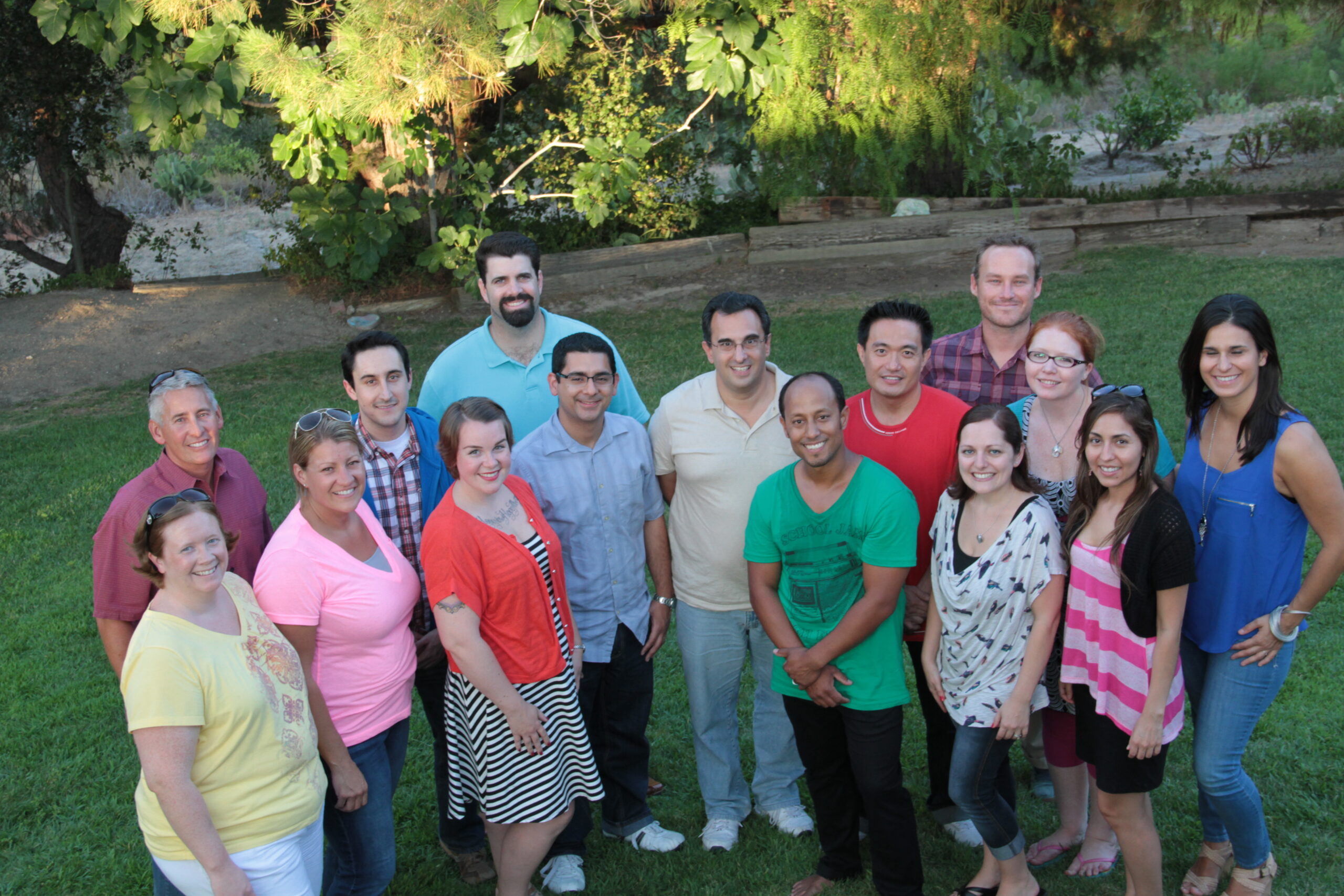
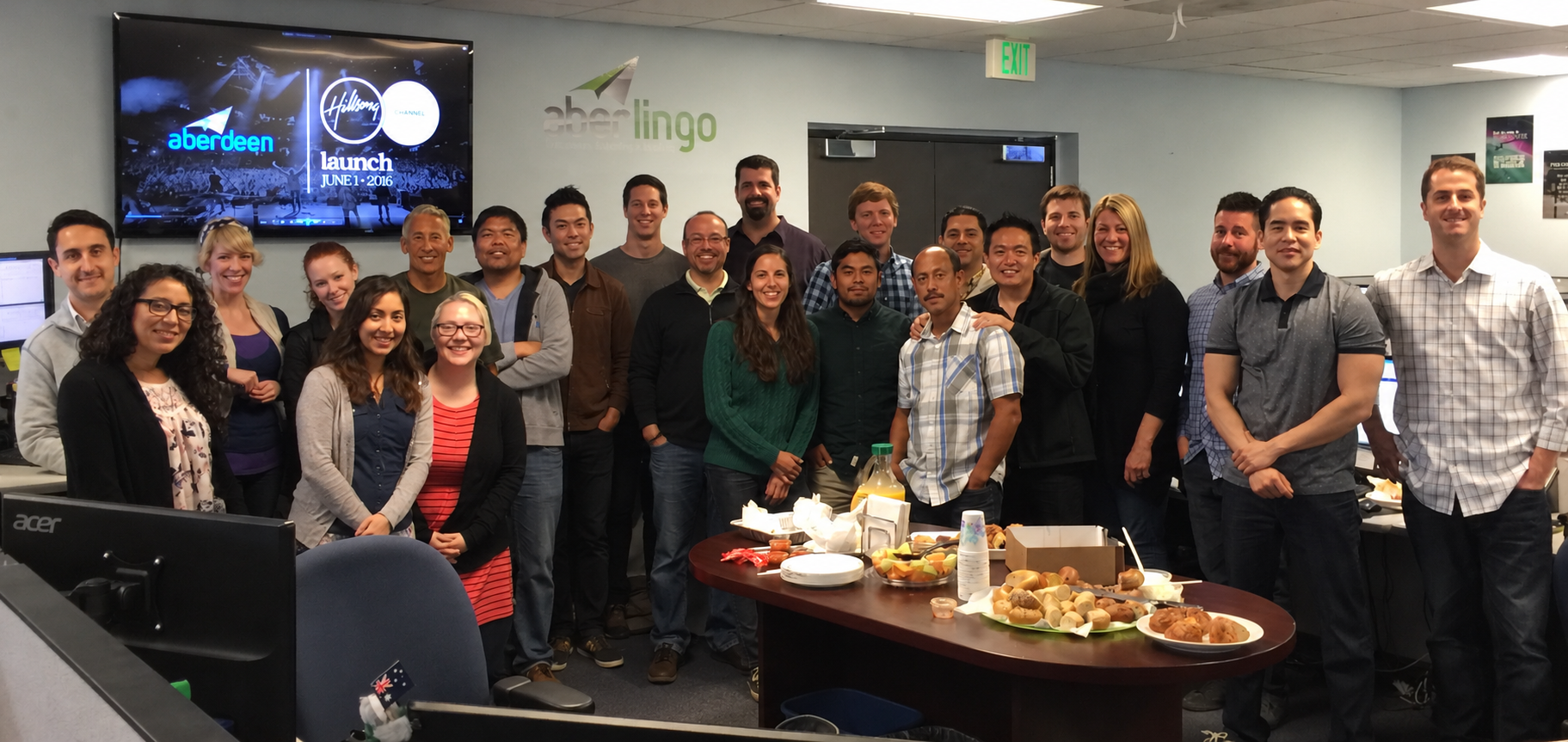
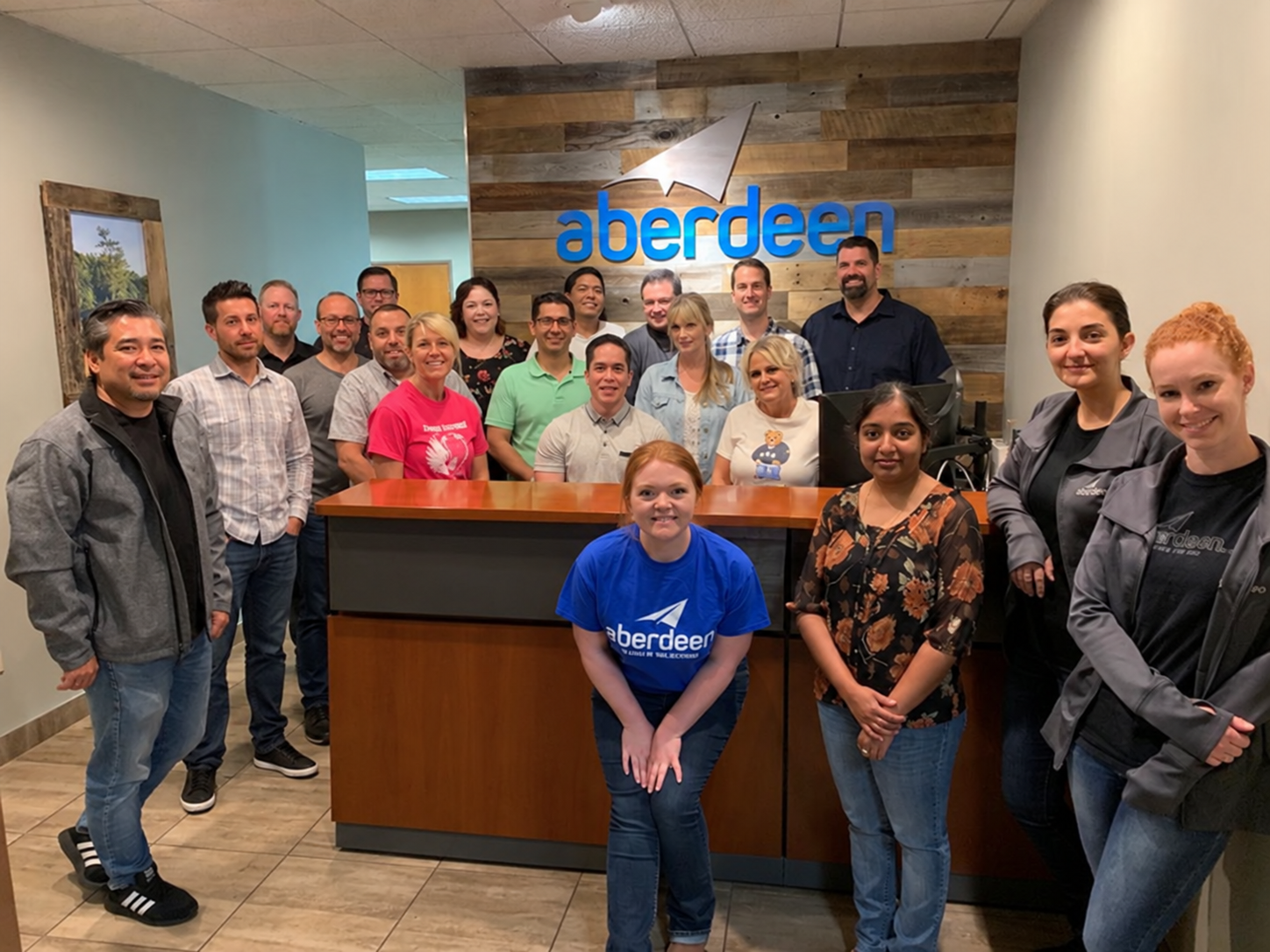
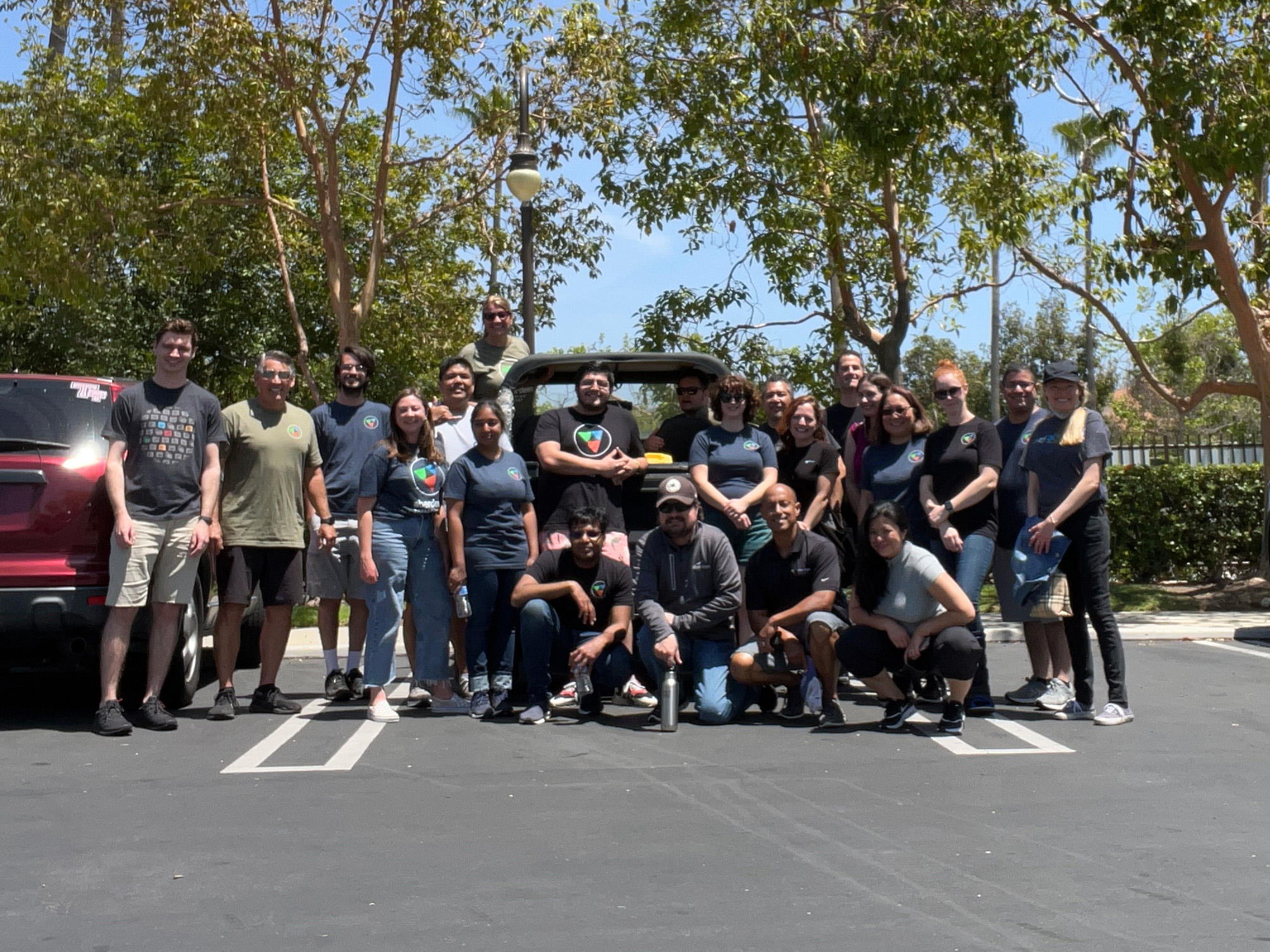
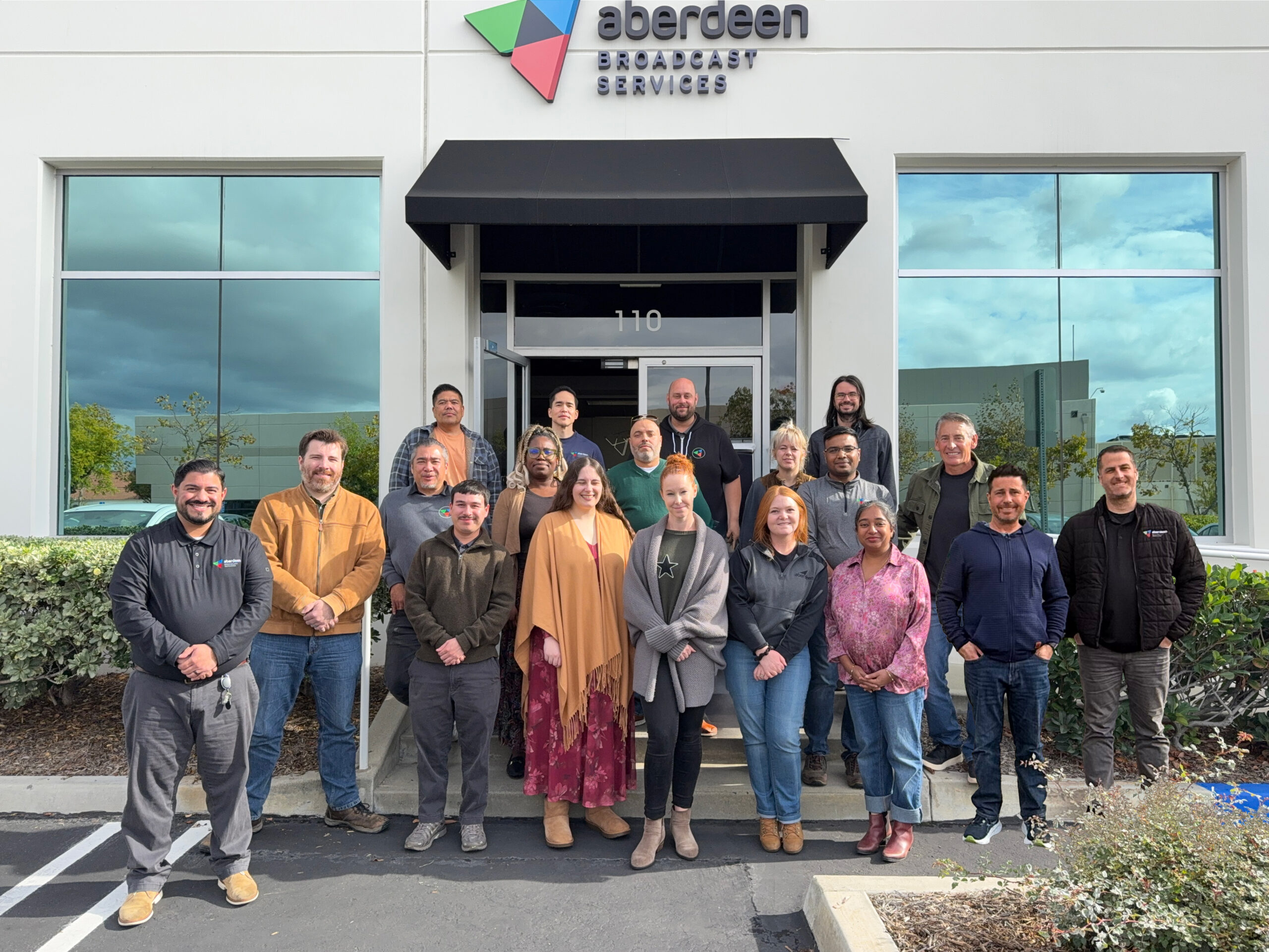
We’ve always been a faith-based company, and that hasn’t changed. We still pray together before meetings. It’s as central to how we care for one another as it is to who we serve. After all, the name itself means a company built on the Rock.
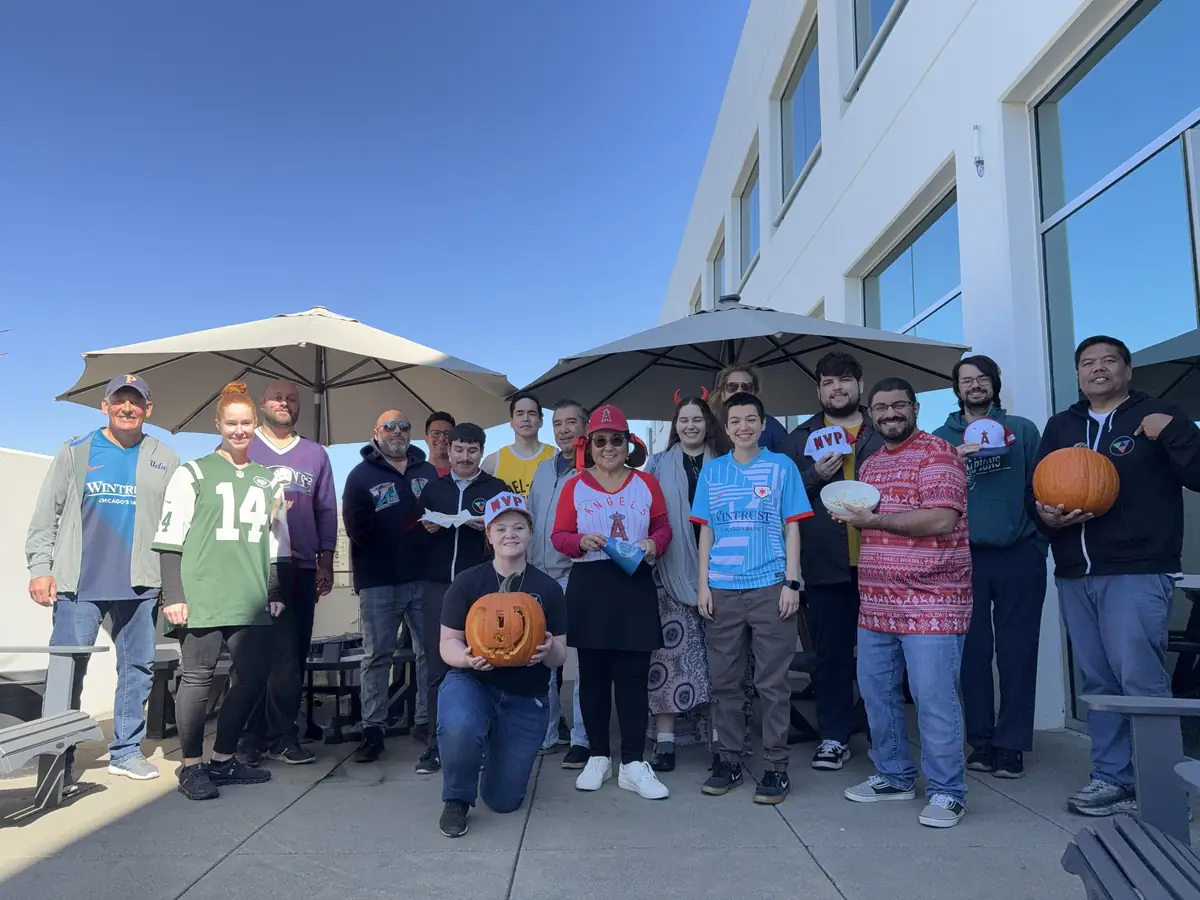
We’ve had a lot of fun along the way, too. Christmas parties at the Cook house, with sushi chefs walking around serving flaming volcano rolls. Team days on the boat at Lake Mission Viejo. Kickball at Coto Park. Bubble soccer. Hikes at Whiting Ranch. We’ve given back together at the Saddleback food pantry and with NEGU. And we’ve watched our team members’ kids grow up at Aberdeen barbecues, which is either heartwarming or a sign I’m getting older, depending on the day.
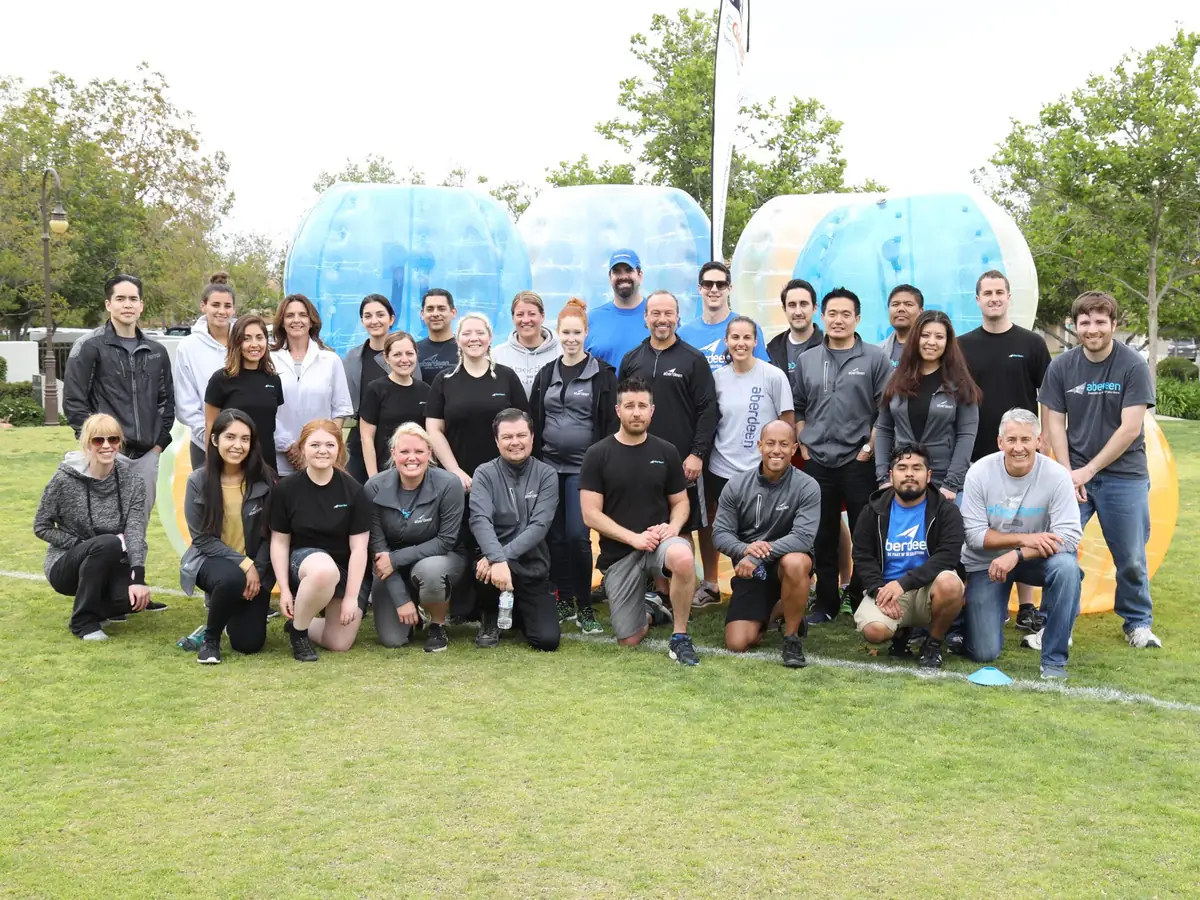

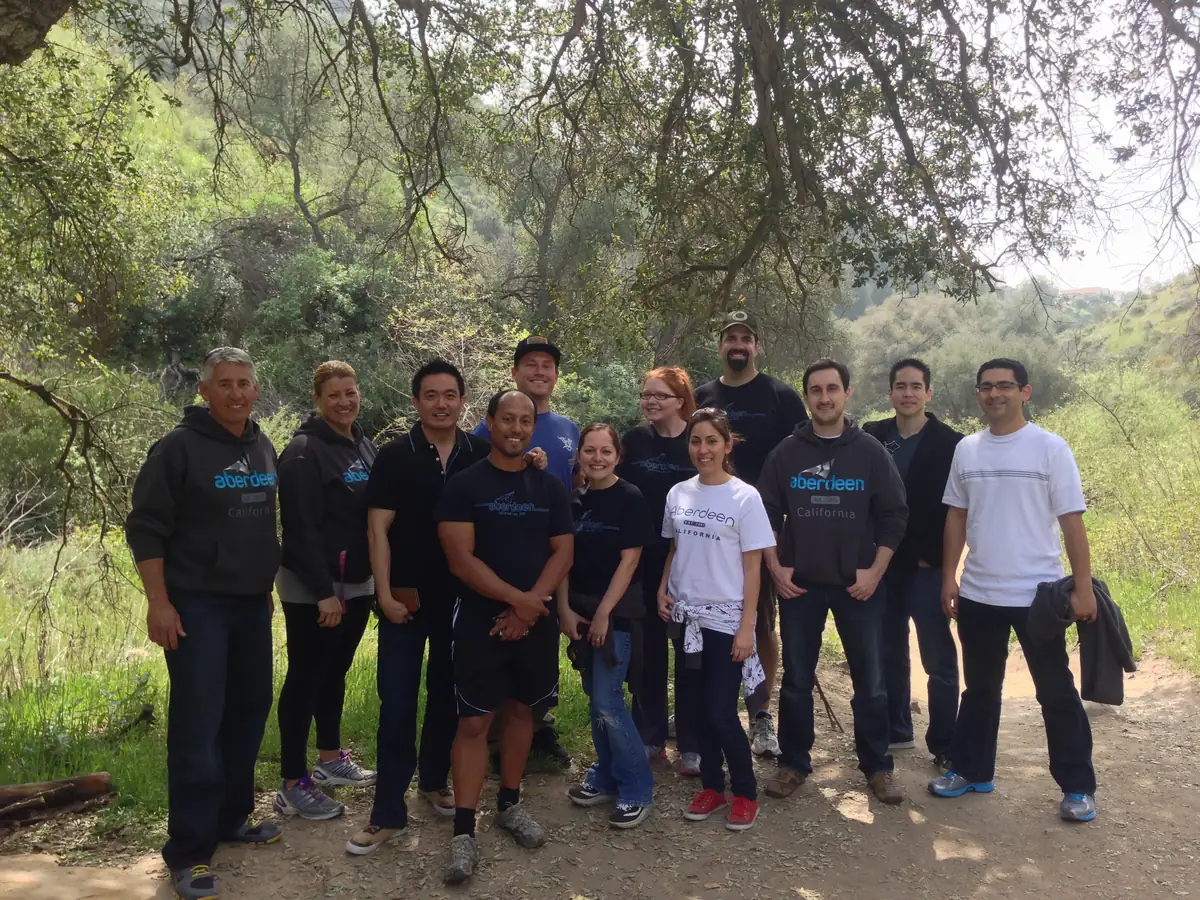
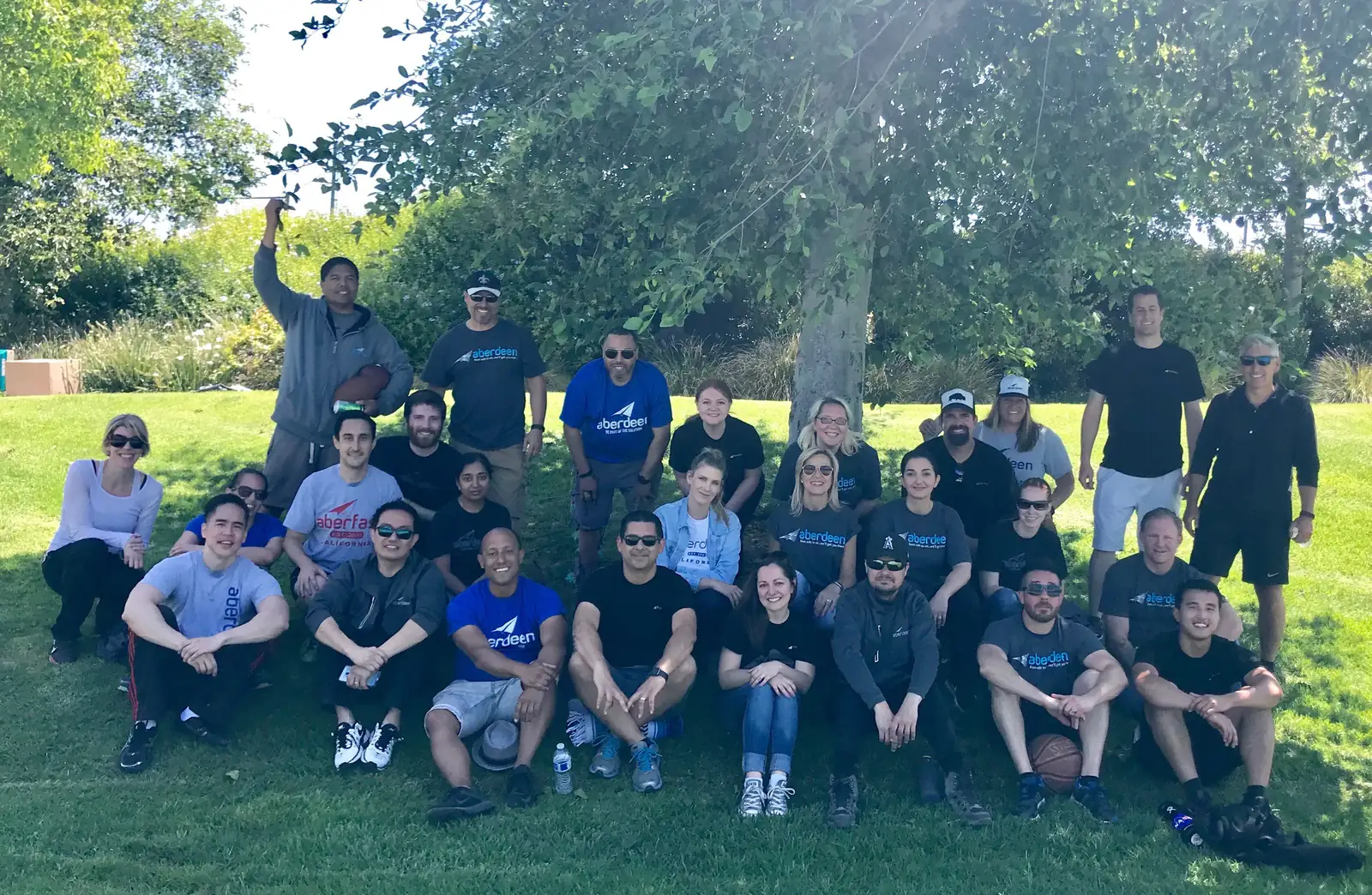
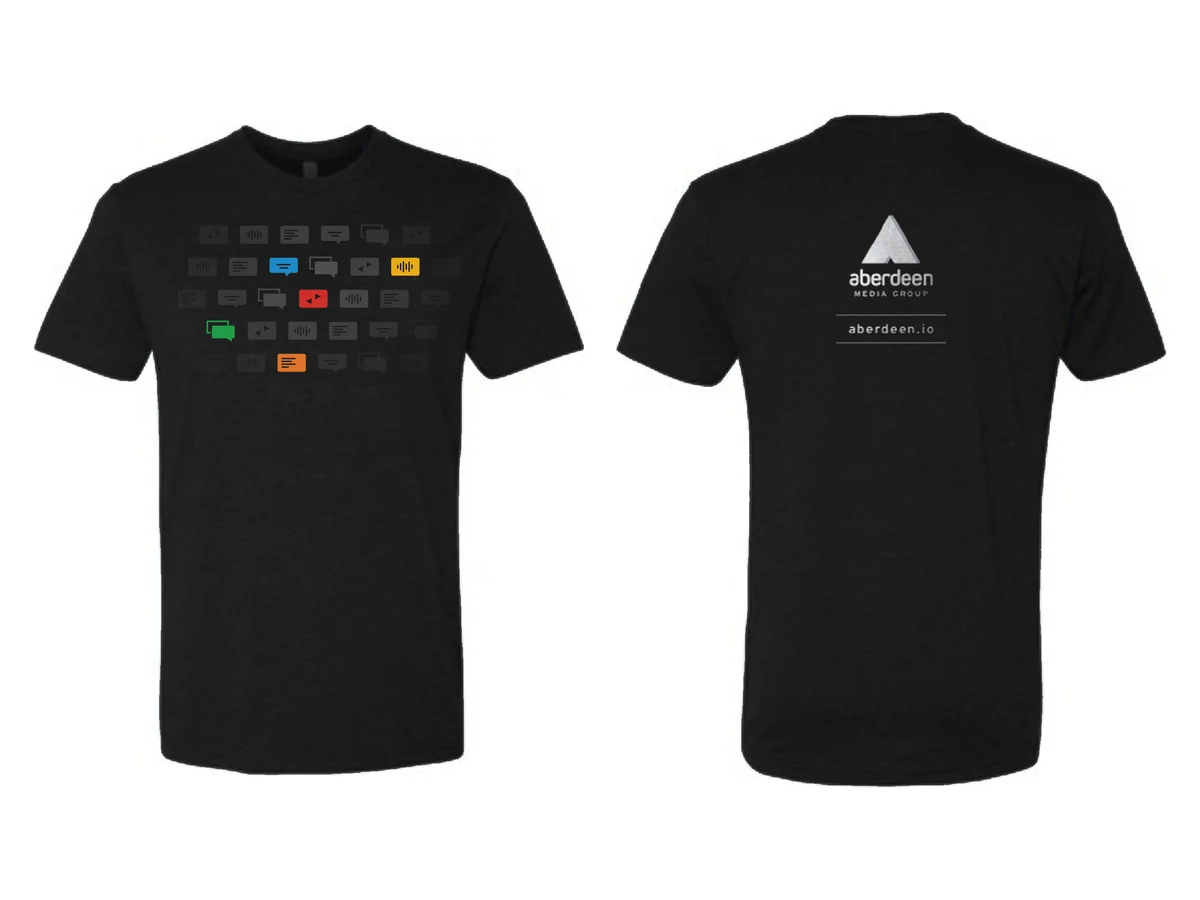
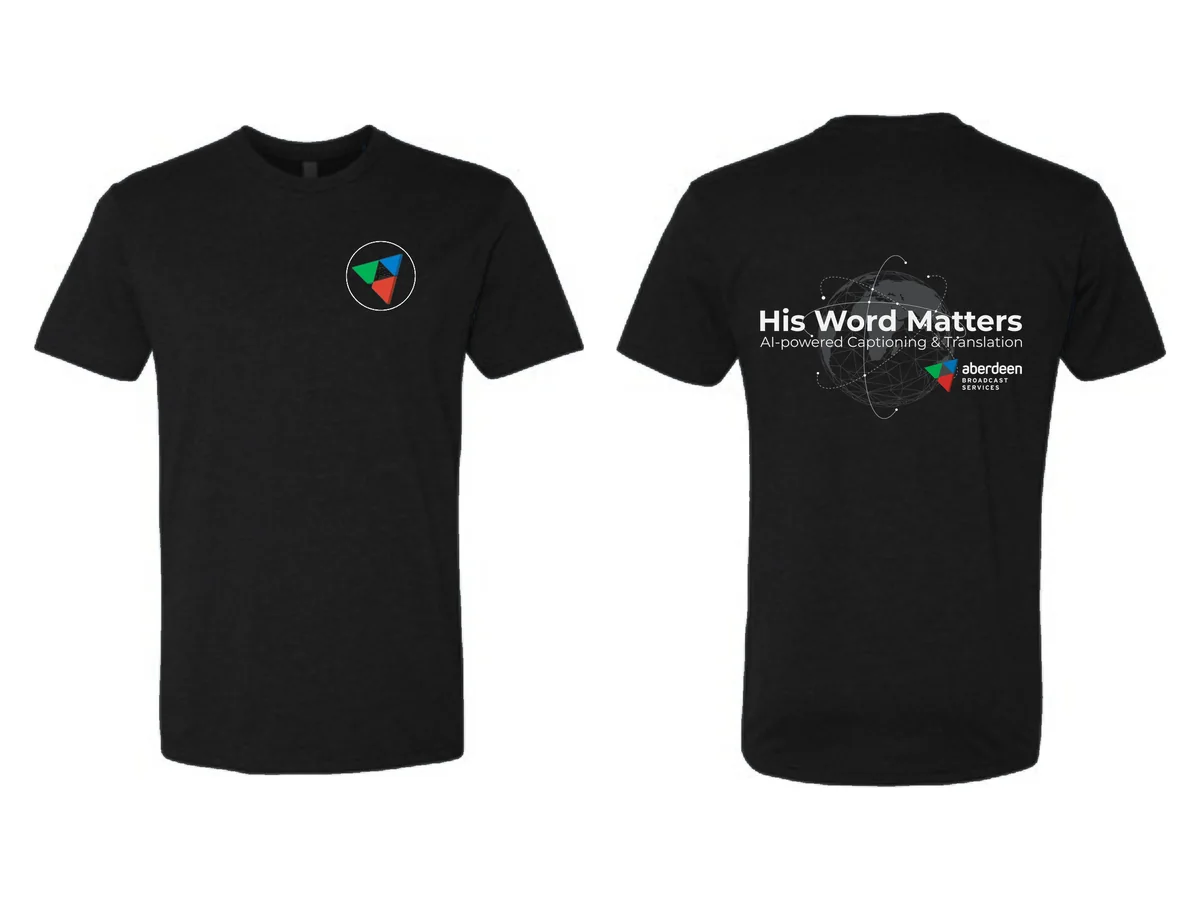
Even our T-shirts have a story. They’ve developed a real following, with clients and team members asking for the newest ones and sending us photos of themselves wearing Aberdeen gear all over the world. I keep joking that we should start an apparel line on the side.



Somewhere in the last decade, our client list quietly became something special. NFL, NBA, and MLB teams, along with other pro sports organizations. Salesforce. Amazon. Apple. MIT. Oxford. Coca-Cola. UC Berkeley. Stanford. USC. Michigan Tech, my alma mater. It’s easy to read a list like that quickly, but it’s worth slowing down on: organizations at that level trust a company that started with three people and a rack of Beta decks in an apartment to get their content right. That’s no small thing, and it isn’t lost on any of us.
Ask me what I’m proudest of after 25 years, and it isn’t a client logo or a revenue number, as much as I appreciate both. It’s hearing “Oh, I know Aberdeen” from someone at a station I’ve never met. Our name has become familiar across the industry because of how our team treats people. Clients regularly tell us our customer service is the best they’ve experienced from any company, in any industry. To me, that’s the real scoreboard.
It all traces back to our purpose: “To build a trusted company, develop great people, and deliver second-mile service.” For us, second-mile service means answering the phone, answering it fast, and showing up for people even when it’s inconvenient. Twenty-five years in, it’s still the standard our whole team is built around.
By the numbers, the growth from that first $74,000 year is almost hard to picture: more than $7 million in annual sales, hundreds of clients, dozens of team members, and an office that’s gone from two chairs back-to-back to a fully remodeled space with an outdoor patio our team gets to enjoy.

The last few years have been about staying ahead of a fast-moving industry instead of reacting to it. We acquired Caption Technologies. We rolled out AI-powered live captioning and interpretation using SyncWords’ ASR and AMT technology. We supported GATHER25 with captioning and automated translation in 84 languages, reaching more than 1.25 million online viewers, a scale we couldn’t have imagined in that first tiny office. And we’ve expanded into higher education, building custom software for institutions like UC Berkeley.
We’ve also been growing into new areas. We now provide transcription for legal proceedings and courts, as well as for public meetings and government agencies. We’ve branched into audio description, which helps blind and low-vision viewers follow what’s happening on screen, as new accessibility requirements take effect.
The thread running through all of it, from AWS and Salesforce to AI-assisted captioning, AberFast, and AberLingo, is the same instinct that first sent us looking beyond captioning: don’t wait for the industry to force your next move. Make it first.
We’re not slowing down. We have several new products in the works, all aimed at the same goal: making accessibility simpler and making technology work better for everyone who depends on it, from the producers and stations we serve to the viewers at home. I can’t share the details just yet, but I’m as excited about what’s coming as I’ve been about anything in our 25 years.
I’m also excited about where AI takes Aberdeen next. Things are changing fast, and honestly, that’s part of what excites me. What I believe hasn’t changed through any of the technology shifts we’ve been through: used well, technology should always work in service of people, never around them.
There’s a version of this story that’s just numbers: $74,000 to more than $7 million. The three of us to dozens of team members. Seven clients to hundreds, delivering to nearly 1,000 stations worldwide.
But the truer version, to me, is what happens when you keep showing up, every day, for 25 years. A company started by siblings around a campfire. Systems that didn’t work and the ones that finally did. A data center failure that pushed us to rebuild on stronger ground. Clients that include some of the biggest names in the world. And a legal requirement that grew into a full-service broadcast and accessibility company working across the globe.
Twenty-five years in, Aberdeen is still the same idea from that campfire: show up, do the work well, and take care of the people, clients and team alike, who trust you to do it.
To our clients, our partners, and our team: thank you for 25 years of trust. Here’s to the next 25!